Every flow measurement application has its own constraints: the medium, its conductivity, viscosity, temperature, pressure, and the required accuracy all narrow down the technology choice.
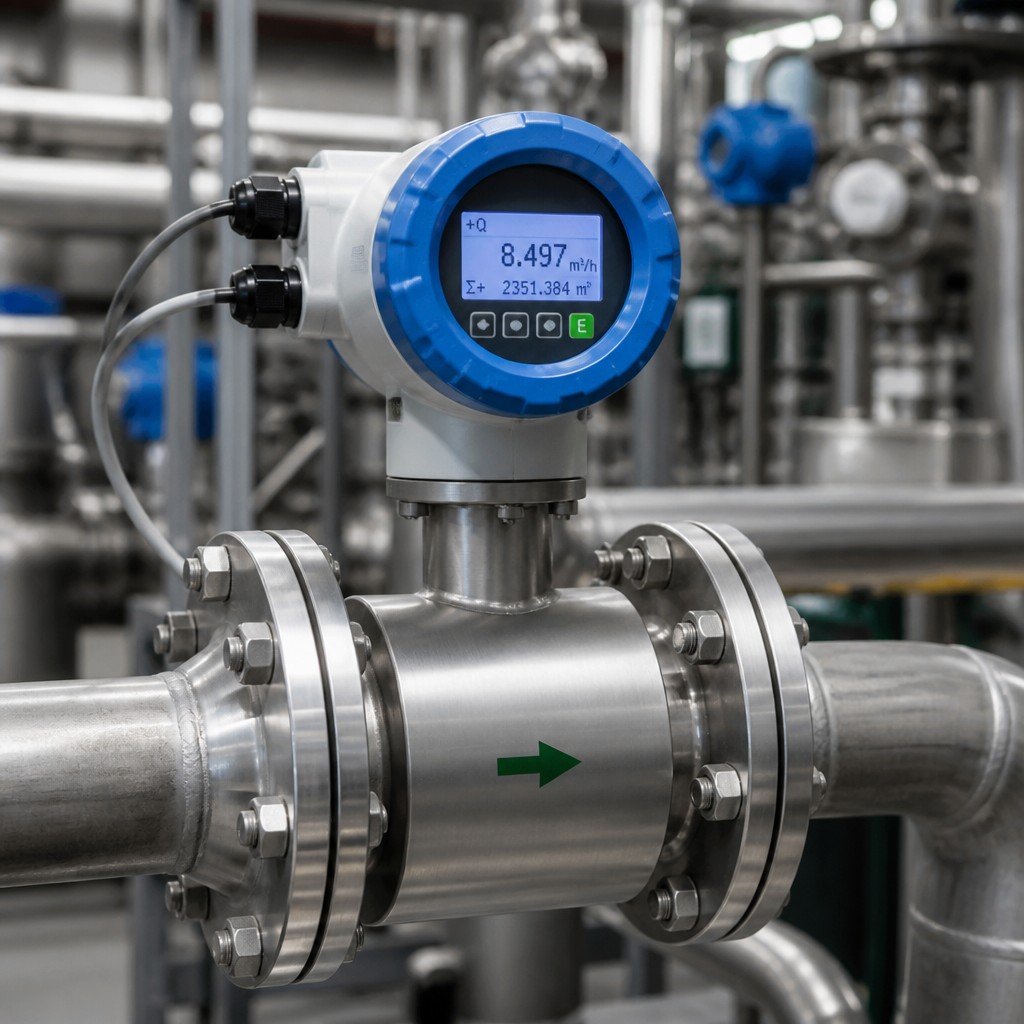
For conductive liquids such as water and wastewater, the electromagnetic flowmeter is usually the most cost-effective long-term choice. It has no moving parts, causes no pressure loss, and its accuracy is largely unaffected by viscosity and density.
For clean, low-viscosity liquids where high accuracy and repeatability matter — such as fuel and light oil — the turbine flowmeter is a proven workhorse. Note that it does add a small pressure drop and needs clean media to protect the rotor.
<img src="/uploads/images/news/1f65ea483929201b060d.png" alt="" style="border-radius: 6px; display: block; margin: 8px 0px; width: 30%; max-width: 100%; height: auto;" class="rte-selected">
Steam and gases are best served by the vortex flowmeter. With integrated temperature and pressure compensation it can deliver mass flow of saturated steam, which is essential for energy accounting in boiler systems.
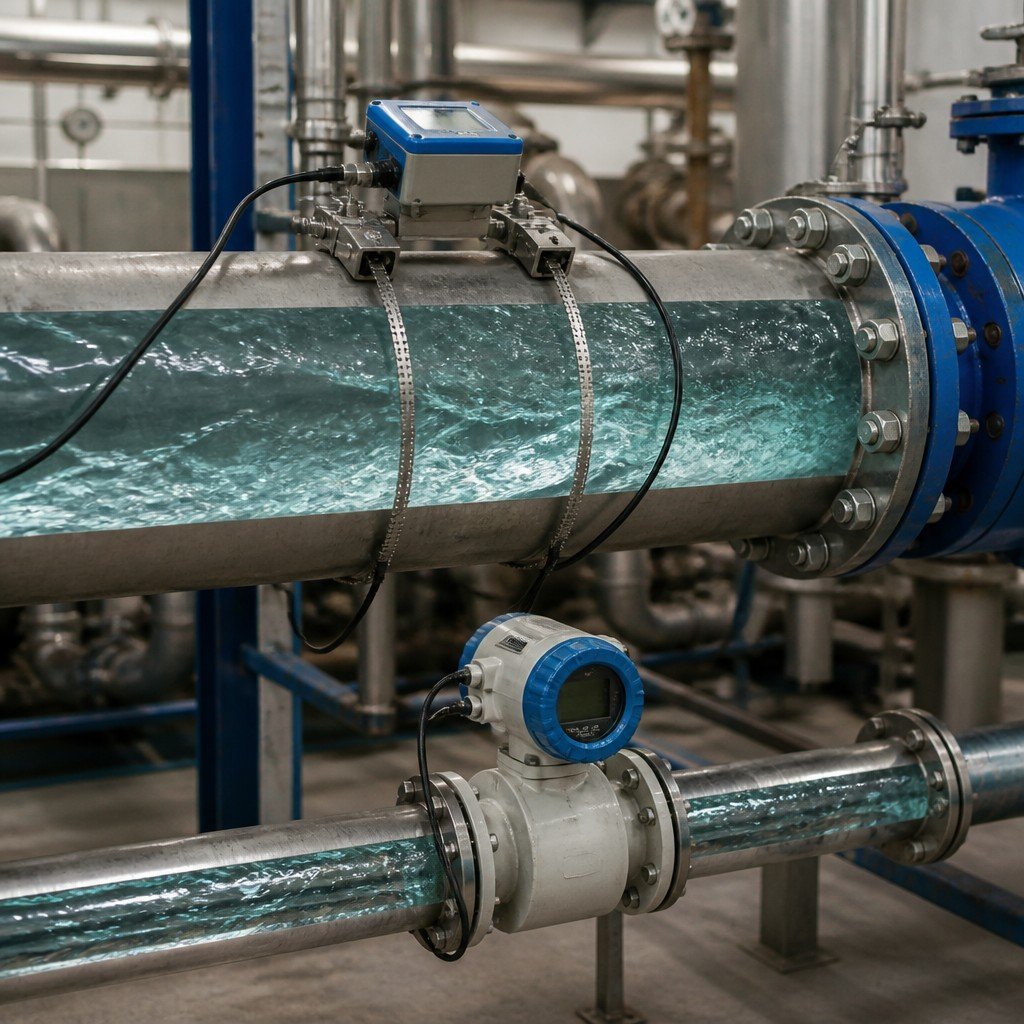
When the pipe cannot be cut or the fluid must not be disturbed, the clamp-on ultrasonic flowmeter is the answer. For clean liquids with stable conditions, inline ultrasonic meters offer very high accuracy with zero pressure loss.
Finally, pair the meter with a paperless recorder when you need multi-channel data logging, alarm history and long-term trend archives for quality tracing and process optimization.
Contact our engineers with your working conditions — pipe size, medium, pressure, temperature and expected flow range — and we will recommend the optimal configuration within one business day.